Ahmad
Ahmad is the elder son of Hakim and Fariba, a thoughtful and religious teenager who, together with his younger brother Noor, leaves Kabul to join Commander Ahmad Shah Massoud's Mujahideen forces in Panjshir, where both are killed in action, an event that shatters his mother and shapes the family's fate.
Identity and Background
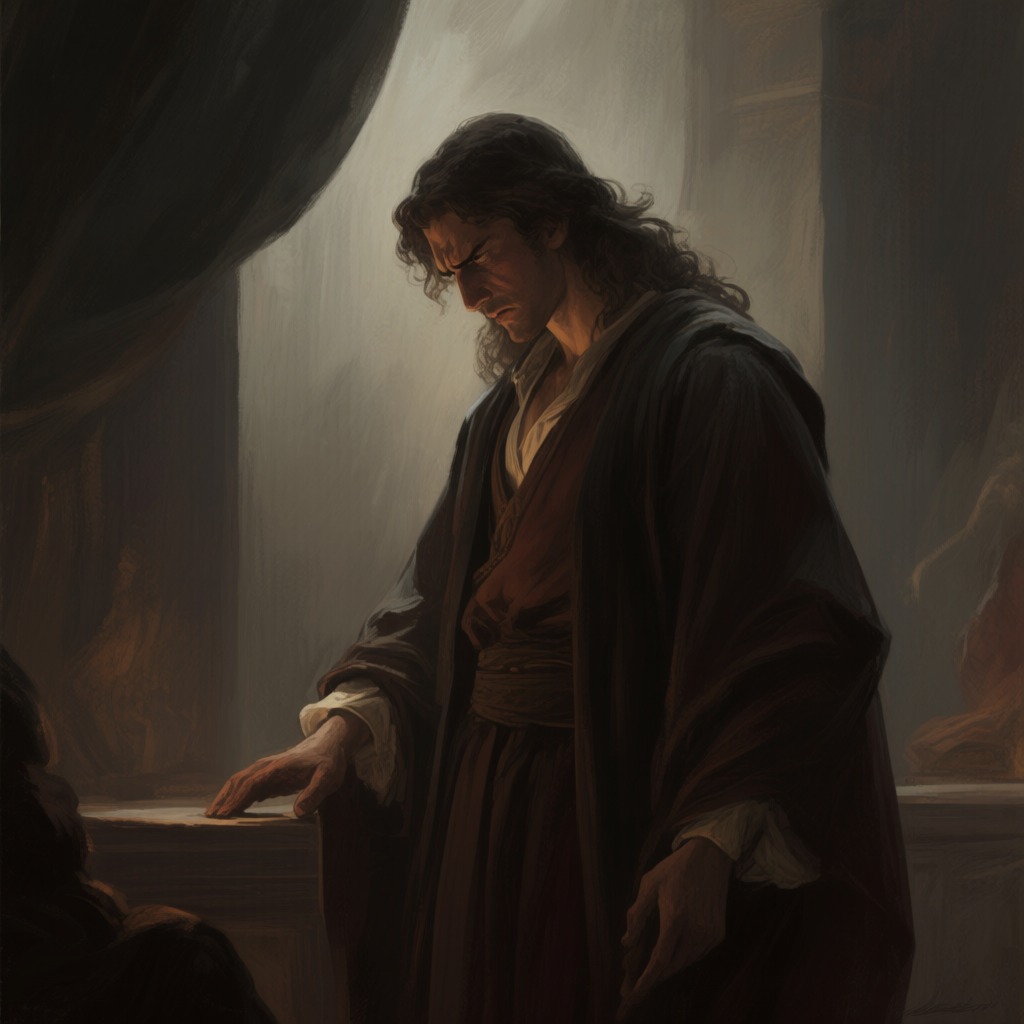
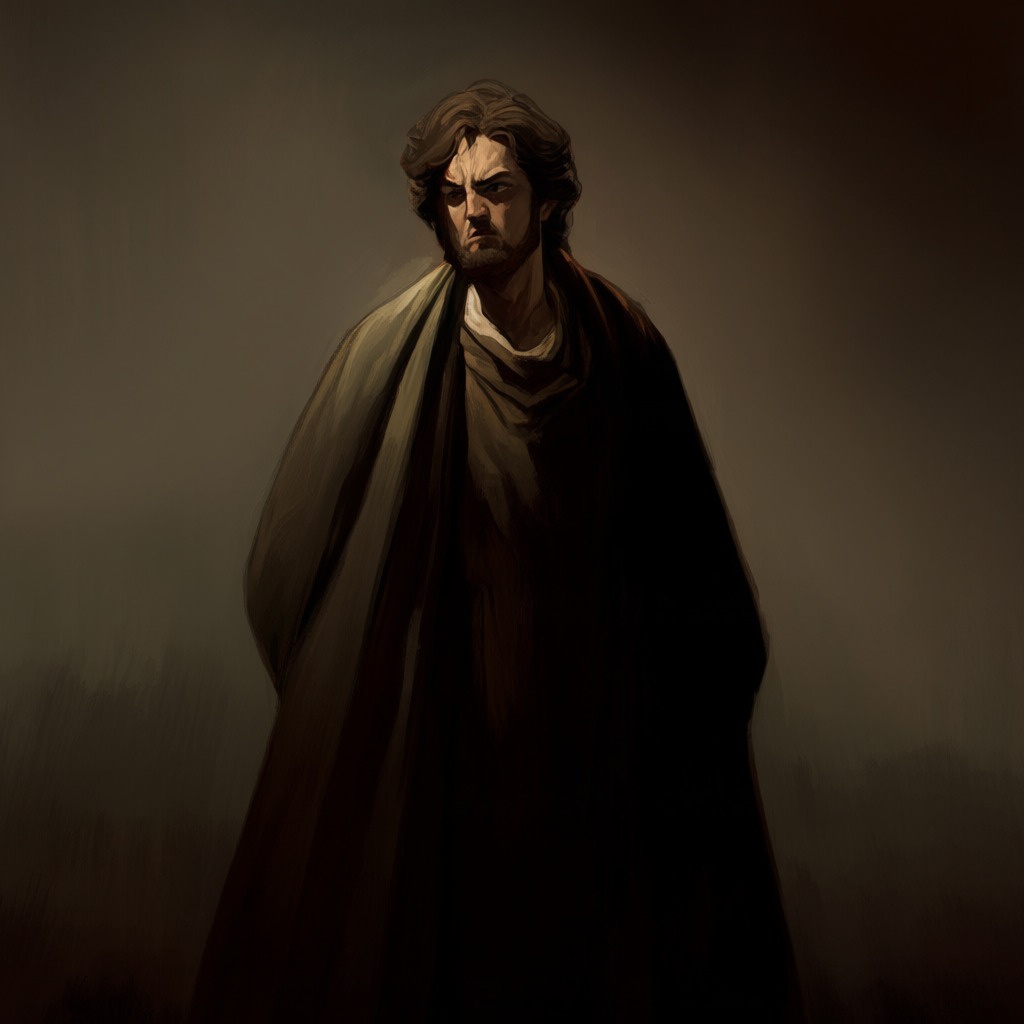
Ahmad is the elder of Fariba and Hakim's two sons, thirteen years old when his younger brother Noor is ten. He has deep-set, brooding eyes and a face more thoughtful and solemn than his brother's, suggestive of early maturity. He is the most religious member of the family: when his baby sister Laila is born, he sings the azan in her ear and blows in her face three times. Around his neck he wears a glittering allah pendant. Before he left for war, it was Ahmad who dutifully and competently minded household repairs—fixing squeaky door hinges, plugging leaking ceilings, and fighting mold in kitchen cabinets—tasks that his bookish father Hakim could never manage.
Life and Plot Trajectory
In 1980, when Laila is two years old, Ahmad and Noor leave Kabul for Panjshir up north to join Commander Ahmad Shah Massoud's forces and fight the jihad against the Soviets. Laila hardly remembers anything about them: only the shiny allah pendant around Ahmad's neck and a patch of black hairs on one of Noor's ears. For years, Fariba keeps vigil for her sons, collecting newspaper clippings and pamphlets from insurgent groups, and nailing a poster of Massoud to her wall. She tells Laila that Ahmad was going to be a leader, that people three times his age listened to him with respect, and that Noor was going to be an architect who would transform Kabul with his designs. The news of their deaths arrives in 1987, delivered by a stranger in a potato-colored coat and a brown wool pakol. The messenger says that when the boys were brought back to camp, Commander Massoud personally oversaw their burial and said a prayer at the gravesite.
Relationships and Conflict
Ahmad's death creates an unbridgeable chasm between his parents. Fariba, who had already been prone to depression, descends into a state of permanent mourning, wearing black, picking at her hair, and lying in bed most days. She tells Laila that her sons are shaheed, martyrs, and that she wants to see the day the Soviets go home disgraced so the boys can see it through her eyes. Hakim, though equally broken, grieves more quietly, and Laila later learns from him that he too misses the boys every day. Fariba's grief becomes a weapon she uses against her husband: she accuses him of letting their sons go to war like a pair of haramis, of burying his nose in books while they went to die. Laila, the surviving child, feels overshadowed by her brothers' memory, understanding that her future is no match for their past and that she is merely a receptacle for their myths.
Change and Ending
Ahmad and Noor are killed in action in Panjshir, fighting for Massoud's forces. Their deaths are the catalyst for Fariba's permanent withdrawal from family life and for the slow erosion of Hakim's hope. The loss also prevents the family from leaving Afghanistan when Hakim dreams of relocating to Pakistan and eventually America: Fariba refuses to abandon the ground that soaked up her sons' blood. Years later, when the Taliban take Kabul and the Mujahideen turn on each other, Laila reflects that Ahmad and Noor had always been like lore to her, like characters in a fable, and that it was Tariq who was real, flesh and blood. The brothers' legacy endures in Fariba's refusal to leave and in Laila's eventual decision to return to Kabul after the fall of the Taliban, to be part of rebuilding the country for which they died.
Narrative Role and Evaluation
Ahmad functions as a symbol of the generation sacrificed to the jihad against the Soviets, a figure whose absence defines the emotional landscape of the second half of the novel. His death, along with Noor's, is the wound that never heals for Fariba, and it is the reason Laila cannot leave Kabul when she has the chance. The brothers' martyrdom also serves as a contrast to the later corruption of the Mujahideen factions, who turn their guns on each other and on civilians. Ahmad's religious devotion—singing the azan, wearing the allah pendant—marks him as a figure of genuine faith, in contrast to the hypocritical piety of the Taliban who later rule Kabul. His memory, preserved in Fariba's shrine-like bedroom and in the newspaper clippings she hoards, becomes a burden that Laila must carry until she finally finds her own purpose in returning to Afghanistan.